
Home / Services / Auto repair SEO

Auto repair SEO company

An Auto Repair SEO Company for Shops That Win on Trust

Moha is an auto repair SEO company for independent shops that want the customers who are choosing carefully. Almost every repair search starts with a worried driver and a question they cannot answer themselves: what is that noise, is it safe to drive, and how much is this going to cost. The shop that answers those questions honestly, shows real reviews from real customers and is easy to find on the map gets the call. In California, where there are more repair shops than anywhere else, the law even requires the estimate and the name on the ad to be right. We build around that.

Thank you. We have your details and will send the audit back shortly.

Free, and no call required. We check what you rank for, and whether your name matches everywhere.

Price questions answered · Name and address consistent · Reported on booked jobs
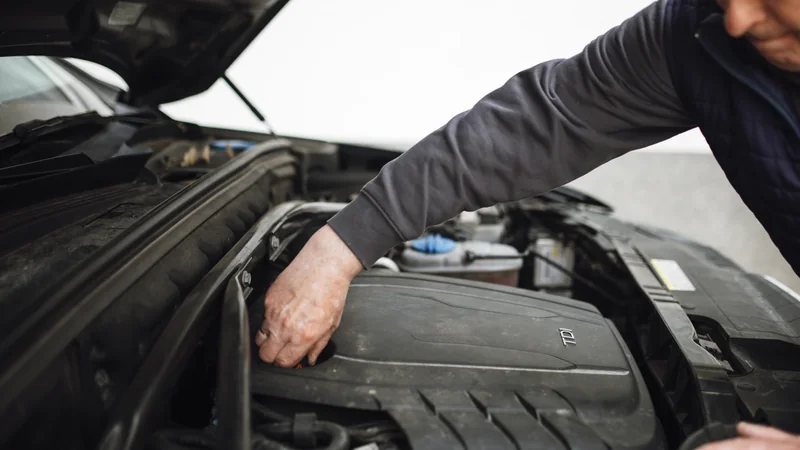
A mechanic leaning into an open engine bay to work on a car engine
Every repair search is a price question asked by somebody who cannot see what is wrong
84,101general automotive repair shops in the United StatesCensus Bureau, County Business Patterns 2022
9,705of them in California, more than any other stateCensus Bureau, County Business Patterns 2022
34,665body, paint and interior repair shops, a separate search marketCensus Bureau, County Business Patterns 2022
0charges a California shop may make before the customer authorises the workCalifornia B&P Code 9884.9

The thing that makes auto repair different

Every repair search is a price question, and the honest answer wins

A driver whose brakes are grinding is not shopping for a mechanic in the abstract. They want to know whether it is safe, roughly what it will cost, and whether the shop will tell them the truth. Auto repair has a long history of customers being sold work they did not need, and every searcher brings that suspicion with them. The shops that rank and convert are the ones whose pages and reviews make that suspicion go away.

Four California rules, and what each means for a shop online CALIFORNIA RULEWHAT IT REQUIRESWHAT IT MEANS ONLINEB&P Code 9884.9(a)A written estimate before work; no charge withoutauthorisation; consent before exceeding itExplain your estimate process. Do not headline aprice you will not honour.B&P Code 9884.9(c)Collision estimates itemised, each part marked new,used, rebuilt or reconditioned, OEM or aftermarketCollision pages should explain parts choicesplainly.16 CCR 3371No false or misleading ads; ads and signs show the nameand address on the registration certificateThe profile and site name and address must matchthe certificate.16 CCR 3372An ad is judged in its entirety, as read by the peopleit is meant forA cheap headline with the catch in small print isjudged as a whole.
Sources: California Business and Professions Code 9884.9 via the California Legislative Information site, and Title 16 sections 3371 and 3372 of the California Code of Regulations via Cornell Legal Information Institute, read October 2026. The right hand column is our recommendation. This is not legal advice.

The estimate is the law in California

California Business and Professions Code 9884.9 requires an automotive repair dealer to give the customer a written estimated price for the labour and parts for a specific job. No work may be done and no charge may accrue before the customer authorises it, and nothing may be charged beyond the estimate without the customer's consent, obtained once it is clear the estimate is not enough. For body and collision work the estimate must itemise each part and say whether it is new, used, rebuilt or reconditioned, and whether crash parts are original equipment or aftermarket.

That is a law about the shop floor, but it shapes the website too. A page that explains how your written estimate works, what happens if the job turns out bigger, and how you ask before doing more, answers the question every nervous customer is actually asking. It is also the one page most repair shop websites do not have.

The name on the ad has to match the certificate

Title 16, section 3371 of the California Code of Regulations goes further. It prohibits false or misleading advertising, and it requires that advertisements and advertising signs clearly show the name and address listed on the shop's state registration certificate. In most states, keeping your name, address and phone consistent across the web is an SEO best practice. In California, for a repair shop, the name and address part of that is a regulatory requirement.

Worth knowing

Section 3372 says an advertisement is judged in its entirety, as it would be read or heard by the people it is designed to appeal to. A headline price with the real conditions buried in small print is read as a whole, not just by its large type.

The Bureau of Automotive Repair registers California shops; the registration certificate is the document your profile name should match.

Why honesty is also the better SEO strategy

Outside California the estimate rules differ, but the customer's suspicion does not. A page that explains what a brake job usually involves, what makes it cost more or less, and how the shop confirms before going further does three things at once. It matches the questions people actually type, so it ranks. It reassures the reader, so it converts. And it produces customers who are not surprised by the bill, so they leave the kind of review that brings the next customer.

The opposite approach, a low headline price that rarely survives contact with the car, wins the click and loses everything after it: the job, the review and, in California, possibly the argument with the regulator.

The honest version

You do not need to publish a price list. You need to explain what drives the price and how you agree it with the customer before you start. That converts better than either a fixed price you will not honour or a refusal to discuss money at all.

Where a worried driver looks

Three places a repair job is won before the car arrives

A driver with a problem moves through three surfaces, often in a few minutes on a phone in a car park. A shop missing from any of them is handing that driver to somebody else.

01 · The symptom search

What is that noise

The first search is usually the symptom: grinding when braking, check engine light flashing, car shaking at speed, AC blowing warm. National sites hold many of these, but a shop with clear, local, honest symptom pages wins a real share, especially when the page says plainly whether it is safe to keep driving.

02 · The Map Pack

Mechanic near me

Then the search turns local, and local SEO takes over: auto repair near me, brake repair, a mechanic who works on German cars. Google answers with three shops on a map, ordered on relevance, distance and prominence. For repair, reviews carry unusual weight, because trust is the whole decision.

03 · AI answers

The assistant's verdict

More drivers now ask an assistant whether a symptom is serious and roughly what the repair costs, and read Google's AI Overviews before clicking. A shop whose pages answer plainly and whose details agree everywhere is a far better candidate to be named than one whose site is a list of services and a phone number.

Specialisms are separate search markets

General repair is the largest category, but the searches that convert best are often the specialist ones: auto AC repair in the first hot week, paintless dent repair after hail, electrical repair for a fault nobody else can find, a shop that knows German cars. Each is a distinct search with fewer competitors and a customer who has already decided what kind of shop they need.

A shop with a genuine specialism should have a page for it, written from real experience of that work, and should name it in the profile's services. A shop without one should not pretend: a German car page from a shop that does not have the diagnostic equipment loses the customer at the first phone call.

A useful test

Search your three most profitable jobs plus your town. Count how many of the results are local shops rather than national chains and directories. Where the answer is few, that is the page to write first.

What we do

What auto repair SEO services should include

Ten things, in the order they change results for an independent shop. Good SEO for auto repair shops goes well past what most SEO services for auto repair deliver, which stops at the profile and a page of service names. The work that wins the careful customer comes after.

01

Name, address and phone made consistent, everywhere

The name on the profile, the website, the sign and every directory, matching the name your state knows you by. In California that is the name and address on your Bureau of Automotive Repair registration certificate, and it is a legal requirement for advertising as well as a ranking signal.

We find every citation and fix the ones that disagree, including the old ones from previous owners.

Matches the certificateCitations fixedOld listings resolved
02

A Google Business Profile that answers before the call

The primary category for the work you most want, every service listed, accurate hours including Saturdays, and real photos of your bays, your technicians and your own work. A driver choosing between three shops at a glance wants to see a clean, real garage.

The name stays your registered name. Brake repair and AC added to it is a suspension risk and a regulatory one.

Primary category setServices completeReal bays and team
03

Reviews that mention the honesty

Review count feeds prominence, a third of local ranking. For repair, the content matters as much: a review that says the shop called before doing extra work, or told the customer a repair could wait, sells the next job better than anything you write yourself.

We set up a request at collection and write review replies to every one, naming the work and thanking the customer, never arguing in public.

Requests at collectionEvery review answeredCalm with complaints
04

An estimate page every shop should have

How your written estimate works, what is included, what happens if the car needs more than expected, how you ask before going further, and how you show the old parts. In California this describes what the law already requires; everywhere it answers the question customers are too embarrassed to ask.

It is the most persuasive page on a repair shop site and almost nobody has one.

Process explainedConsent describedOld parts shown
05

Job pages that explain the price

Brakes, timing belts, AC, transmission work, diagnostics: one page per job you want more of, explaining what the job involves, what drives the price, how long it takes and what happens if it is put off. No invented price list, but an honest range of what moves the cost.

The keyword research follows the words drivers use, which are symptoms and parts, not trade terms.

Price drivers explainedDriver's languageOne job per page
06

Symptom pages that say whether it is safe

Grinding brakes, a flashing check engine light, a car pulling to one side. Each page says what the symptom usually means, whether it is safe to keep driving, and how a diagnostic visit works. Honest about when it is urgent and when it can wait.

These are the pages that bring a customer before they have chosen a shop, and the ones assistants quote.

Safe to drive answeredDiagnostic explainedUrgency honest
07

Specialism pages where the specialism is real

German cars, hybrids, AC, electrical repair, paintless dent repair after hail. Each specialism you genuinely have gets a page and a place in the profile's services, written from the work and the equipment you actually have.

For body shops, collision pages explain the parts choices plainly: OEM against aftermarket, new against used, and why it matters.

Real specialismsCollision explainedServices listed
08

Technical SEO and on-page basics

Fast pages on a phone, Core Web Vitals passing on real devices, schema that matches each page, and a booking or quote form that works on a small screen. Most repair shop sites are slow template sites with one page per service and the same paragraph on each.

The on-page SEO puts the answer in the opening lines, which is what the search results and AI Overviews show.

Fast on mobileAnswer firstSchema that agrees
09

Link building from the local trade

Backlinks from the parts suppliers you buy from, the manufacturer and training programmes your technicians belong to, local car clubs, the schools and teams you sponsor, local press when there is a story. They feed prominence and nobody can buy a copy.

We do not buy links or use networks.

Supplier linksCar clubsNothing bought
10

Reporting on booked jobs

Calls, quote requests and booked jobs, split by job type and by page, with each page's conversion rate. You see which pages bring brake jobs and which bring only leads that shop on price.

If a page ranks well and books nothing, it usually means the price question is not answered, which is fixable.

Booked jobsBy job typeBy page

On-page SEO for a repair shop

Inside a brake job page that actually books work

Brakes are the most common repair search after a warning light, and the page most shops get wrong. This is how we build it, and the same structure carries over to timing belts, AC, suspension and every other job.

It opens with the driver's question

Squealing, grinding, a soft pedal, a car that pulls when braking. The page names the symptom the driver noticed, says plainly what it usually means, and says whether it is safe to keep driving. Grinding metal on metal is not safe; a light squeal from new pads often is. That first paragraph is what the search results show, what an assistant quotes, and what decides whether the reader stays.

Then it explains the job and the price drivers

What a brake job usually involves: pads, sometimes rotors, sometimes callipers or fluid. Why two cars with the same symptom get different quotes: the make, whether the rotors can be resurfaced or must be replaced, whether the callipers are seized, the quality of parts chosen. A range is honest where the job is predictable; where it is not, the page says what the inspection will tell you and that you will confirm the price before starting.

Then it removes the reasons not to call

How the written estimate works and that nothing is done without the customer's agreement. Whether old parts are shown or returned. The warranty on parts and labour, stated exactly. How long the job takes and whether the customer can wait. A booking button and a phone number that is answered. Reviews that mention brakes, if you have them.

And it is built properly underneath

A title and heading in the driver's words, schema that matches what the page says, internal links to the symptom pages that feed it and to the estimate page, photographs of your own bays rather than stock, and a page that loads quickly on a phone in a car park. This on-page SEO is unglamorous, and it is most of why one shop's brake page ranks and the next one's does not.

Why this is the content strategy

Eight or ten pages built this way, for the jobs that pay, usually bring more organic traffic that books than fifty thin service pages. Each one is good enough to compete with the chains and the national guides, because it answers the question they answer generically, specifically and locally.

The diagnostic fee question

Do you charge to diagnose, and is it taken off the repair? It is one of the questions drivers ask most and one of the least answered online. A shop that charges a fair diagnostic fee and explains what it buys, the time, the equipment, the written findings, converts better than one that hides it and surprises people at the counter. If the fee is credited against the repair, say so. If a check engine light scan is free but a full diagnosis is not, say where the line is.

The diagnostic page is also where a shop's equipment and training earn their keep. Naming the diagnostic systems you work with and the specialist faults you find tells the driver whose car three other shops could not fix that they have found the right place.

A useful test

Ring your own shop as a customer and ask whether you charge for diagnosis. Then check whether your website says the same thing. When the two differ, the customer believes neither.

Work you can check

Results you can verify

Ask anyone pitching you which tool their figures came from and what period they cover. These are case studies with their sources, both named.

Against a bigger budget

A local operator holding results a national wanted

The profile rebuilt and content aimed at the questions buyers actually type, the same contest an independent shop has with the chains.

How a small brand beat a big one
Named by the assistants

Getting a client quoted inside Google's AI answers

Business details reconciled everywhere, crawl faults cleared, pages rewritten to answer rather than sell.

Getting cited in AI Overviews
Service area business

Ranking in towns the business had no page for

Pages built per place from real data, which is how a shop reaches drivers in the towns around it.

Pages for each area served

The market you are in

84,101 general repair shops, and the specialists around them

The Census Bureau's County Business Patterns divide automotive repair into distinct kinds of shop. General repair is by far the largest, but each specialism is its own market with its own searches.

Automotive repair establishments by type, United States General automotive repair84,101Body, paint and interior repair34,665Oil change and lubrication8,694Glass replacement7,033All other automotive repair5,091Other mechanical and electrical3,755Transmission repair3,675Exhaust system repair1,407
Source: U.S. Census Bureau, County Business Patterns 2022, NAICS 8111. Car washes, 19,463 establishments, sit in the same group and are left out because they are not repair.

What the numbers mean for an independent shop

A general repair shop competes with 84,101 others nationally, and in a large town with dozens within a short drive. Body, paint and interior shops are a separate market of 34,665, with different customers, often an insurer in the middle, and different searches. Transmission, exhaust and electrical specialists are small categories, which is exactly why a general shop with a real specialism can stand out by naming it.

California alone holds 9,705 general repair shops, 11.5% of the national total, and 19,646 automotive repair and maintenance establishments of all kinds. It is the densest market in the country and the one with the most specific advertising rules, which is why we cover it separately in the California market in detail.

Independents against the chains

National chains and dealer service departments compete for the same searches with bigger budgets. An independent rarely beats them on brand. It beats them on proximity, on reviews that talk about honesty and on pages that explain the work in plain language, which a chain's template pages rarely do. That is the core of SEO for auto repair in a crowded market. Shops that are part of a network have their own considerations, covered for repair shops that belong to a franchise.

The numbers, plainly

84,101 general repair shops employing 385,539 people. 34,665 body, paint and interior shops. California 9,705 general repair shops, Texas 6,152, New York 5,346.

County Business Patterns 2022.

Only in auto repair

What a repair shop's website and profile may say

Repair shops are regulated more than most local businesses, and California most of all. None of this is legal advice and other states differ, but this is the standard we write to everywhere.
Prices that survive the car

Advertised prices are where repair shops get into trouble, with customers and regulators alike. An oil change special that is genuinely that price is fine. A brake job from a low figure that applies to almost no real car is the kind of ad California's rules read as a whole, as its audience would. We write price content as what drives the cost, with honest ranges where they help, rather than headline figures.

Free inspections and diagnostics

Offering a free inspection is legitimate when it is genuinely free and carries no obligation. It turns against you when it becomes a way to find work that is not needed. Reviews notice, and they stay.

Names, addresses and the profile

Google does not permit unnecessary information in the business name and says it can lead to suspension, and in California the name and address on advertising must match the registration certificate. So the profile name is your registered name, and the address is the address customers actually bring their cars to.

Warranty claims

If you offer a warranty on parts and labour, say exactly what it covers and for how long. Vague warranty claims read as reassuring and then cause the worst reviews when the customer discovers the limits.

What we do about it

The audit reads every page, ad and post for price claims, warranty language and the name used, and checks the profile name and address against your registration.

Nothing new goes live with a headline price the shop would not honour on a real car.

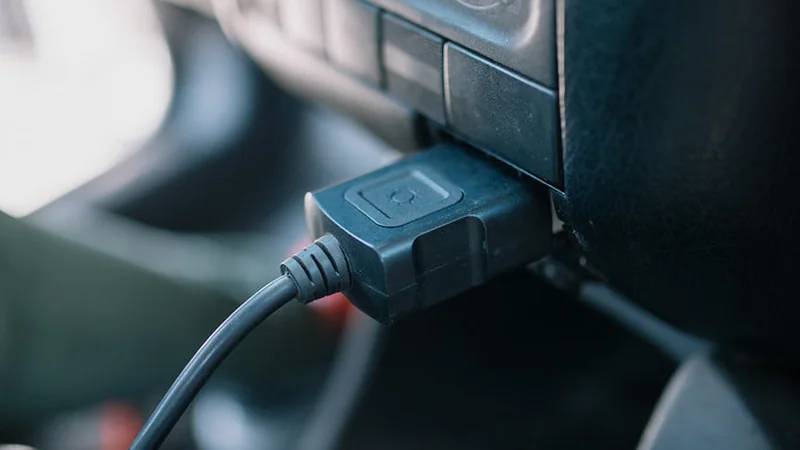
A diagnostic cable plugged into the port under a car's dashboard
Why Moha

Why independent shops choose Moha as their auto repair SEO agency

Most auto repair shop SEO is sold as a template: a page per service with the same paragraph on each, a profile filled in once, and a ranking report. It brings price shoppers who leave at the first quote. We build for the customer who is choosing carefully: pages that answer the price and safety questions honestly, an estimate page that explains how you work, reviews that talk about trust, and a name that matches everywhere. That customer books, comes back and sends their family.

Honest about price

Pages explain what drives the cost, which converts better than a headline nobody gets.

Consistent everywhere

Your registered name and address on every listing, which California requires anyway.

Symptoms answered

Pages that say whether it is safe to drive, which is what a worried customer wants first.

Reported on booked jobs

By job type and page, not rankings.

No bought links

A repair shop's reputation is local. It is not worth risking.

You keep everything

Site, profile and content stay yours, including the day you leave.

How it works

Our auto repair SEO process

Consistency first, then trust, then the jobs that pay, then the wider area.

1Week 1

Audit

Every citation checked against your registered name and address, the profile reviewed, every page read for price and warranty claims, and what ranks for your best jobs in your area. Yours to keep either way.

2Weeks 2 to 4

Consistency and the profile

Citations fixed, the profile corrected and completed, real photos added, review requests running at collection, risky claims rewritten.

3Months 2 to 4

Trust and the jobs that pay

The estimate page, job pages for your most profitable work, symptom pages for the searches that bring customers early, and the technical fixes that make them fast.

4Month 4 on

Specialisms and reach

Pages for the specialisms you genuinely have, the surrounding towns, local links, and reporting on booked jobs by type.

Auto repair SEO pricing

What auto repair SEO costs with Moha

One flat monthly figure, quoted after the free audit. No per lead fee and no commission on a job. What moves the number is how many jobs, specialisms and towns are in scope.

Launch
$3,000 /mo

For one shop getting consistency and trust right.

  • Citations and profile fixed
  • Estimate page
  • Core job pages
  • Reporting on booked jobs
  • Dedicated strategist
See the Launch plan
Growth · most chosen
$4,800 /mo

For a busy shop with specialisms and a wider area.

  • Everything in Launch
  • Specialism and symptom pages
  • Work prioritised ahead of other accounts
  • Reporting by job type
  • Dedicated strategist
See the Growth plan
Scale
Custom

For groups with several shops.

  • A profile per genuine location
  • Location pages that differ
  • Reporting by shop
  • Dedicated strategist and named team
Book a strategy call

Would extra repair jobs pay for this?

12booked jobs a month
$5,400revenue a month
1.8xrevenue for each dollar spent
17calls a month to break even

At these numbers, SEO returns 1.8 dollars of revenue for every dollar spent.

Watch

Replying to reviews, from Google itself

For a repair shop, the reply to a bad review is read by every careful customer who comes after. Google's short guide covers reading and replying from the profile.

A good reply to a complaint about a bill explains the shop's estimate process calmly and invites the customer to talk, without arguing in public. That one reply does more for trust than a dozen five star reviews.

Questions

Auto repair SEO questions shop owners ask

Taken from what shop owners ask in trade groups and Google's Business Profile help community, plus the phrasings people type into a search box.

Launch is $3,000 a month and Growth $4,800, with multi shop groups quoted individually. Run the calculator with your own average repair order. If a dozen extra jobs a month would not cover it, wait.

Explain what drives the price rather than publishing a list nobody's car matches. Honest ranges help where the job is predictable, like an oil change or a standard brake job. A headline price that rarely applies wins the click and loses the customer, and in California an ad is judged as a whole.

In California, advertisements and signs must show the name and address on the shop's registration certificate, so yes. Everywhere, Google does not permit unnecessary information in the name, and consistency across the web is a ranking signal. Your registered name is the safe answer.

Only if that is genuinely your registered trading name. Otherwise Google treats it as unnecessary information, which can lead to suspension, and in California it would not match your certificate either.

A page explaining how your written estimate works, what happens if the car needs more, how you ask before going further and how you show old parts. It answers the question customers are most worried about and almost no shop has one. In California it describes what 9884.9 already requires.

Not on brand. On distance, on reviews that talk about honesty, and on pages that explain the work plainly. Chains run template pages; an independent can write the page a worried driver actually wants.

Yes, if the specialism is real: the equipment, the training and the experience. Specialist searches have fewer competitors and customers who have already decided what they need. A page for a specialism you do not really have loses the customer at the first phone call.

Yes, honestly. Drivers of particular makes search for a shop that knows their car, and a list of the makes you service, with a page for any you genuinely specialise in, matches those searches. Leave off makes you would turn away; a driver who calls and is refused leaves less happy than one who never found you.

It is a separate search market, often with an insurer involved. In California collision estimates must itemise parts and say whether they are new, used, rebuilt or reconditioned and OEM or aftermarket, so collision pages should explain those choices plainly. They deserve their own pages, not a line on the services list.

Yes. Review count feeds prominence, and trust is the whole decision in repair. Reviews that say you called before doing extra work, or told someone a job could wait, sell the next job better than anything else on the page.

Calmly, briefly, and without arguing. Explain your estimate process in a sentence, say you would like to look at it with them, and give a way to get in touch. The customer may not change their mind, but every reader after them will judge the reply.

Citation and profile fixes often show within a few weeks. Job and symptom pages take three to six months to settle. Anyone promising the top of the map in a fortnight is describing ads.

No. Google states there is no way to pay for a better local ranking. We commit to the work and to honest reporting on booked jobs.

Access to the site and profile, your registration details, a list of your most profitable jobs and real specialisms, photographs of the shop and the team, and permission to ask customers for reviews at collection.

They increasingly answer the first question: is this serious, and roughly what will it cost. They quote shops whose details agree everywhere and whose pages answer plainly. Symptom pages written honestly are good candidates.

Often more than for a big one, because a small shop can be the clearly trusted choice in its own area. If you are already turning work away, though, fix capacity first; more calls you cannot book only produce disappointed reviews.

Free audit

Work with an auto repair SEO company that answers the price question

Send your website and we will send back where your name and address disagree across the web, what your profile shows, any price or warranty claims we would rewrite, and the job pages we would build first. No pitch deck and no long call before you can judge it. The map side is part of the profile and map work, and if you want paid search for brake and tyre jobs while the pages settle, we run that too.

Thank you. We have your details and will send the audit back shortly.

No call required.

Photographs via Openverse, both CC BY: a mechanic working on an engine by Shixart1985, and a diagnostic interface cable by Ivan Radic.